
AC repair in Long Beach, CA
Connect with a local provider for cooling system help across Long Beach.
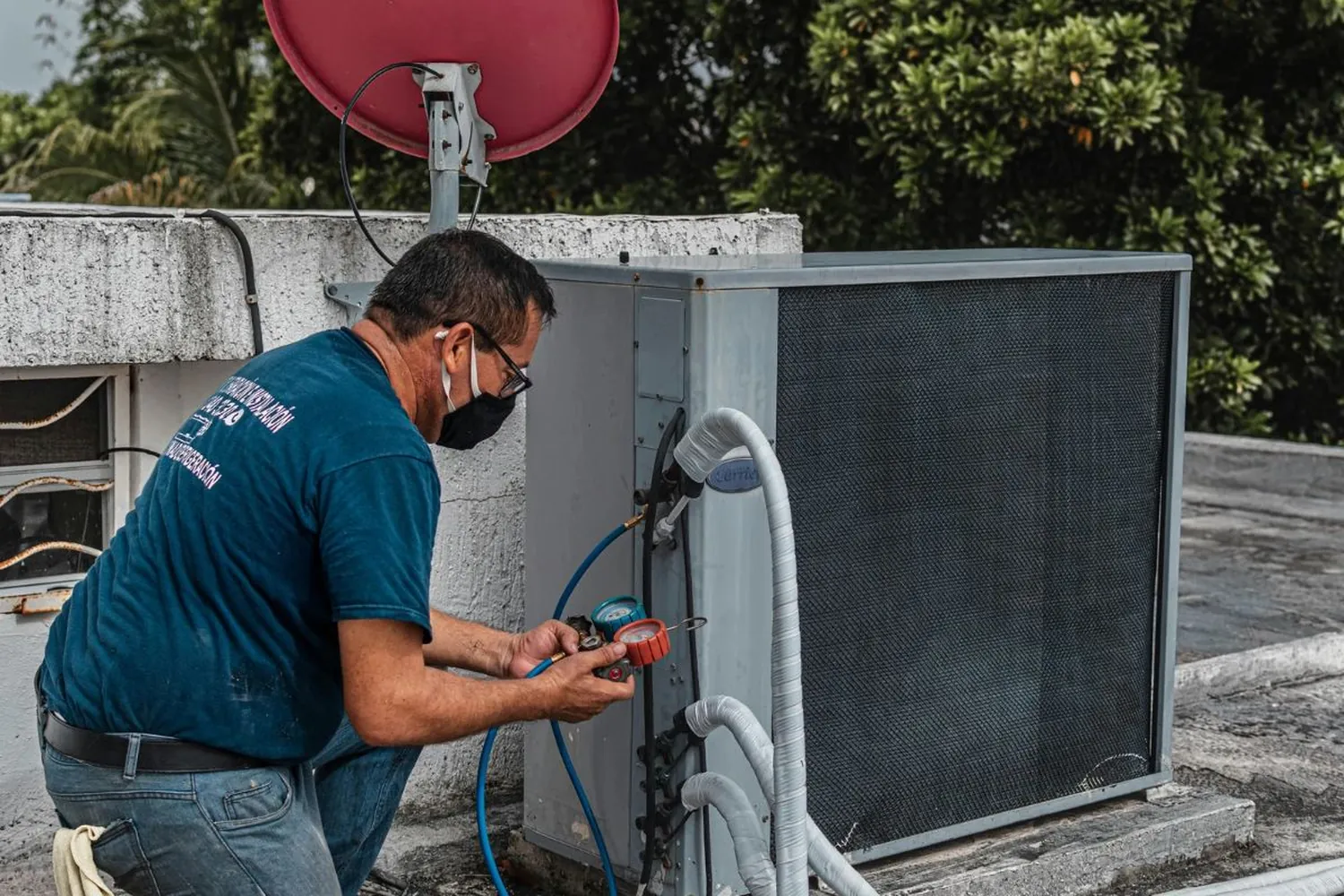
AC Repair
TownLong Beach, CA
CountyLos Angeles
ZIP90802, 90803, 90804, 90805, 90806, 90807, 90808, 90810, 90813, 90814, 90815
- 5years of experience
- 2,500customers served
- 14team members
- Since 2021serving homeowners
Coastal weather and varied housing shape cooling work in Long Beach
Long Beach is known for its generally mild coastal weather, sea breezes, and cooler conditions than many inland Los Angeles County communities. Its housing ranges from early twentieth-century homes in Belmont Heights and California Heights to apartments, condos, and mid-century neighborhoods farther east. Ocean Boulevard, Pacific Coast Highway, and the 405 Freeway connect very different parts of the city. We connect callers with independent local providers for air conditioner repair in Long Beach.
Building ages and styles
Long Beach includes Craftsman-era houses, Spanish Revival homes, mid-century tracts, high-rise condos, and apartment buildings. Equipment access and duct layouts vary widely among these building types.
Lots, slopes, and condenser placement
Many central Long Beach parcels are compact, while hillside sections near Signal Hill can have grade changes and narrow side areas. A condenser may be behind fencing, on a roof, beside a driveway, or in a restricted service space.
Trees, leaves, and pollen
Street trees and landscaped yards can shed leaves, seeds, and debris around outdoor equipment. Material collecting at the condenser coil can restrict airflow and should be evaluated during service.
Winter storms and snow
Winter rain storms can affect drainage around outdoor equipment and can expose roof or electrical-entry issues. Snow is not a normal Long Beach weather condition, so it is generally not a factor in local cooling equipment planning.
What an air conditioning technician checks in Long Beach
Long Beach homes may use central split systems, heat pumps, wall-mounted equipment, or a window air conditioner in a smaller room. The provider starts with the reported symptom and checks the thermostat, operating mode, and basic electrical response. A system that will not start may have a control, power, capacitor, or contact issue, but testing is needed to isolate it.
For uneven cooling, the technician may inspect the air handler, blower motor, filter condition, supply registers, and accessible duct connections. A weak room can result from airflow imbalance, duct leakage, solar exposure, or equipment capacity rather than one failed part. Air conditioning repair may involve correcting a confirmed mechanical or electrical problem and reviewing airflow conditions that contribute to the complaint.
Outside, the compressor and condenser need adequate airflow to reject heat. A blocked condenser coil, worn capacitor, or damaged fan component can affect cooling performance. Air conditioner service may also include inspecting the evaporator coil and condensate drainage where accessible.
AC repair work in Long Beach
| Part | What it does | Signs it is failing |
|---|---|---|
| Air filter | Captures airborne particles before air moves through the system. | Reduced airflow, dust buildup, or a visibly dirty filter. |
| Thermostat | Sends cooling instructions based on the selected temperature. | Incorrect readings, no display, or cooling that does not match the setting. |
| Condensate drain | Carries moisture collected during cooling away from the indoor unit. | Water near the unit, a full drain pan, or a shutoff switch stopping operation. |
| Blower assembly | Moves conditioned air through ducts and into rooms. | Weak airflow, unusual noise, or air that stops moving while the system runs. |
| Outdoor condenser | Releases heat from the home to the outdoor air. | Warm indoor air, unusual outdoor-unit noise, or a unit that does not run. |
Coastal air changes the seasonal pattern, not the need for maintenance
Long Beach’s marine influence moderates many summer days, but warm spells still arrive and inland-facing areas can feel hotter. Equipment may sit unused for stretches, then be called on during a heat event. Salt-laden air is more relevant near the shoreline and can contribute to corrosion on exposed metal components. An AC service visit can identify visible buildup, drainage concerns, and parts that are not operating normally.
Where we work in Long Beach
Also nearby: Signal Hill, Lakewood, Seal Beach, Carson, Hawaiian Gardens, Los Alamitos.
Belmont Shore
Compact lots and coastal exposure can affect where condensers are located and how they are accessed.
Bixby Knolls
Established homes may have older ducts, later HVAC upgrades, and mature landscaping near outdoor units.
California Heights
Older architectural homes can have attic access limitations and systems added after original construction.
Downtown Long Beach
Condos and apartments may involve rooftop, balcony, or building-managed equipment locations.
Los Altos
Mid-century homes often have central cooling layouts and attic-based air handlers.
Naples
Water-adjacent homes can have limited exterior space and greater exposure to coastal air.
Long Beach air conditioner questions
What might a burning smell or rattling sound from an AC unit in a Belmont Shore home mean?
A rattling sound can come from loose panels, debris, a fan issue, or a component that needs inspection. A burning smell can indicate an electrical or motor problem and should not be ignored. Turn the system off if there is smoke, burning odor, repeated tripping, or visible damage, then arrange for an independent provider to inspect it.
Why can one room in a California Heights house stay warm when the rest of the home cools?
The issue may involve duct routing, a closed or blocked register, insulation, sun exposure, return-air limitations, or a blower problem. In older homes, later room changes can also alter how the original system serves the layout. A provider can compare airflow and equipment operation before suggesting a repair.
What can a Long Beach homeowner check before requesting AC repair?
Check that the thermostat is set to cool and has a reasonable temperature setting. Look at the filter, verify that the circuit breaker has not tripped, and make sure the outdoor unit is not blocked by stored items or vegetation. Do not remove electrical panels or attempt to test live components.
Are permits or inspections relevant when replacing cooling equipment in Long Beach?
A repair and a full equipment replacement can have different local requirements. The City of Long Beach Development Services Department administers building permits and inspections. Ask the provider performing the work whether the planned scope requires a permit and who will handle the process.
How are tight attics, crawl spaces, steep Signal Hill lots, or limited street parking handled during a visit?
Tell the referral coordinator and provider about access conditions when you call. The technician who comes out can assess safe access to the equipment and explain any limitations before work begins. For apartment or condo buildings, confirm any building access rules in advance.
Need air conditioner repair in Long Beach?
Tell us your town and what is happening.