
AC repair in Los Angeles, CA
Connect with a local provider for air conditioner repair in Los Angeles.
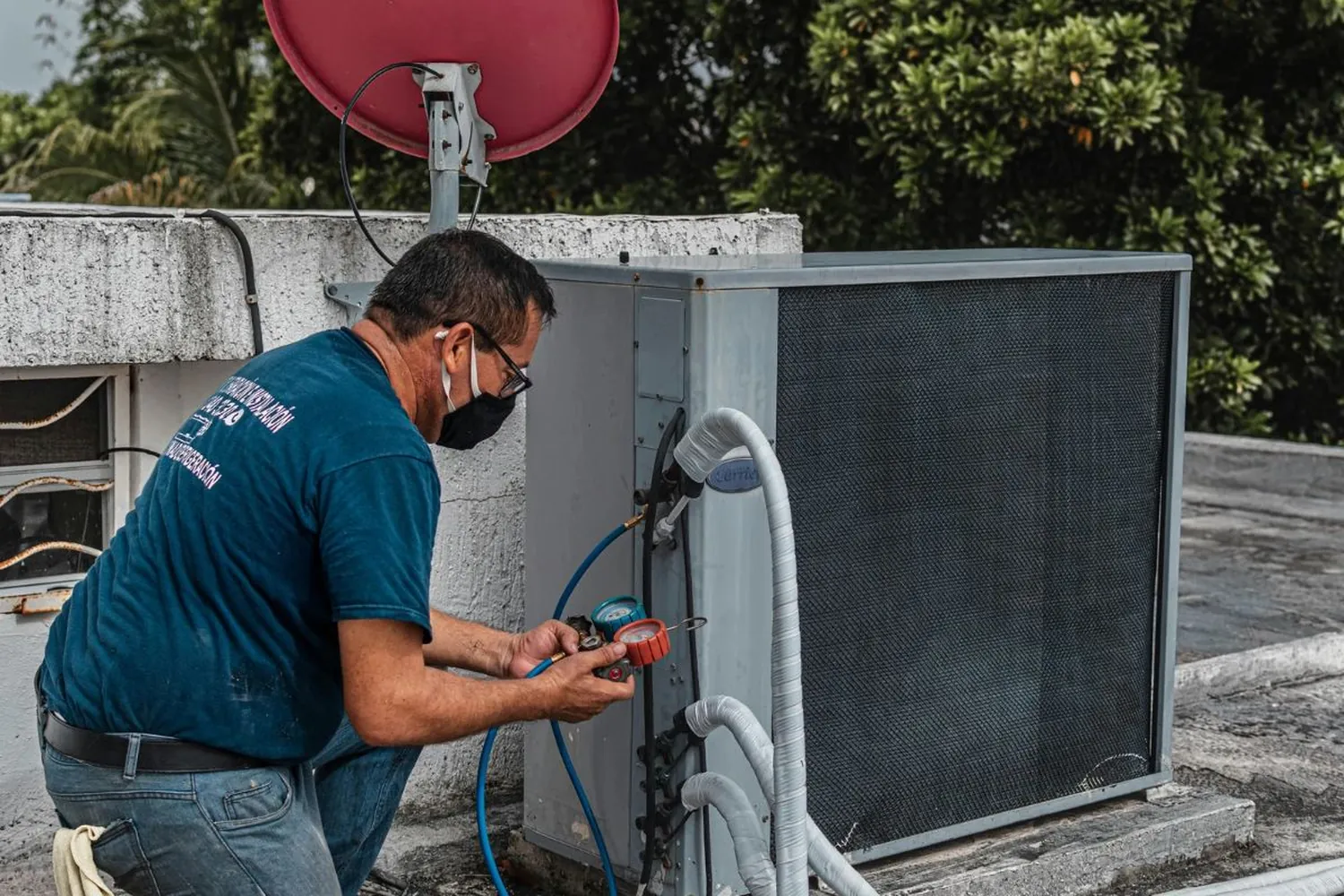
AC Repair
TownLos Angeles, CA
CountyLos Angeles
- 5years of experience
- 2,500customers served
- 14team members
- Since 2021serving homeowners
Cooling concerns across Los Angeles housing styles
Los Angeles has Craftsman bungalows, Spanish Colonial Revival houses, mid-century apartments, hillside homes, and newer infill construction. That range of building age and style affects where cooling equipment, ducts, drains, and electrical panels are located. Conditions can differ sharply between coastal neighborhoods, the basin, and inland valley areas. AC Repair California is an advertising and referral service with 14 team members that connects callers with independent providers.
Heat, marine air, and humidity
Much of Los Angeles has dry summer heat, while coastal areas can experience marine air and higher humidity than inland neighborhoods. Systems may run differently across these microclimates. A provider can assess cooling output and moisture drainage based on the equipment and location.
Attics, crawl spaces, and older construction
Older houses may have attic ductwork, crawl spaces, compact mechanical closets, or additions with separate equipment. Apartment and hillside properties can present limited access to indoor or outdoor components. The technician who comes out can determine what access is needed for a safe inspection.
Drainage and storm runoff
Heavy winter rain can expose a blocked condensate line or poor drainage around an outdoor unit. A condensate pump, if installed, also needs to move water correctly. Standing water, visible water damage, or a wet electrical area should be reported before the system is operated.
Power and wind events
Santa Ana winds can blow leaves and dust around an exterior condenser, while outages and voltage events can affect electrical connections. A circuit breaker that trips repeatedly needs professional diagnosis. The provider can inspect controls and components rather than treating a reset as a lasting repair.
What local providers inspect during Los Angeles cooling calls
Air conditioner repair in Los Angeles starts with the symptom: an air conditioner not working at all, inconsistent cooling, unusual cycling, or an ac not cooling adequately. The technician checks thermostat operation, electrical connections, and whether the indoor and outdoor sections are responding properly. They may also inspect the air filter, return air vent, and supply vents for restrictions that reduce circulation.
Low airflow can stem from a clogged filter, blower problem, duct restriction, or a frozen evaporator coil. A dirty condenser coil can make it harder for the system to release heat outdoors. An ac tune-up can include cleaning and operational checks, but a provider should diagnose an active fault before suggesting a particular repair.
For ac service, the independent provider explains the condition found and supplies a quote for any recommended work. An ac repair service may involve drainage components, wiring, a control part, coil cleaning, or another identified issue. AC Repair California does not perform the work; it connects callers with a local provider who carries out the job.
AC repair work in Los Angeles
| Part | What it does | Signs it is failing |
|---|---|---|
| Air filter | Captures airborne particles before air moves through the system. | Reduced airflow, dust buildup, or a visibly dirty filter. |
| Thermostat | Sends cooling instructions based on the selected temperature. | Incorrect readings, no display, or cooling that does not match the setting. |
| Condensate drain | Carries moisture collected during cooling away from the indoor unit. | Water near the unit, a full drain pan, or a shutoff switch stopping operation. |
| Blower assembly | Moves conditioned air through ducts and into rooms. | Weak airflow, unusual noise, or air that stops moving while the system runs. |
| Outdoor condenser | Releases heat from the home to the outdoor air. | Warm indoor air, unusual outdoor-unit noise, or a unit that does not run. |
Why location within Los Angeles matters
Los Angeles spans coastal, basin, foothill, and valley conditions, so a home's cooling demand depends heavily on its location and exposure. Inland heat can increase run time, while coastal moisture can make condensate drainage more noticeable. Dust, landscaping debris, and wildfire-related particles can affect filters and exterior equipment. Regular inspection of accessible filters and clear space around the condenser supports normal airflow.
Where we work in Los Angeles
Also nearby: West Hollywood, Beverly Hills, Culver City, Burbank, Glendale, Inglewood, South Pasadena.
Hollywood
Older apartments and hillside-adjacent homes in Hollywood can have rooftop, rear-alley, or limited-access equipment locations.
Koreatown
Dense multi-family buildings in Koreatown may require coordination with property management for equipment access and authorization.
Echo Park
Hillside lots and older homes in Echo Park can have compact side yards, stair access, and varied additions to original structures.
Westchester
Westchester's coastal influence can make outdoor-unit exposure and condensate drainage relevant inspection points.
San Pedro
San Pedro homes are closer to marine air, so exterior equipment should be checked for debris and condition appropriate to its setting.
Encino
Encino's warmer San Fernando Valley conditions can place higher seasonal demand on residential cooling equipment.
Los Angeles air conditioner questions
How can winter rain and drainage problems around an Echo Park hillside home affect its cooling equipment?
Runoff can collect near an outdoor unit, and a blocked condensate drain can create water issues at the indoor equipment. Hillside drainage patterns and limited side-yard access can make the source less obvious. If water is near electrical components, leave the system off and describe the conditions when requesting a provider.
What should a renter or landlord in a Koreatown multi-family building know before arranging an AC repair service?
The person responsible for authorizing work should coordinate with the provider, particularly when equipment is on a roof, in a locked utility room, or serves a specific unit. Tenants can document the symptoms, thermostat setting, and when the problem occurs. Building rules and access arrangements may affect how the inspection is scheduled.
Can dust, tree pollen, or marine air around San Pedro affect a home cooling system?
Dust and pollen can load an air filter and settle on exterior equipment, which may contribute to reduced airflow or heat transfer. Marine air is another reason to keep an outdoor unit clear of debris and have its condition inspected. These conditions do not identify a specific fault, but they are useful context for the technician.
Which warning signs in a Los Angeles home mean the air conditioner should be shut off?
Turn the system off for smoke, sparking, a strong burning smell, repeated breaker trips, unusual electrical buzzing, or water near electrical parts. Do not open electrical panels or attempt to bypass a safety control. Tell the provider exactly what was observed and whether the unit stopped on its own.
How can a homeowner in a mid-century Encino house describe an AC problem clearly when calling?
State whether the issue is no cooling, weak airflow, warm air, noise, water, odor, or a system that will not start. Include when it began, whether the thermostat display works, whether the breaker has tripped, and whether both indoor and outdoor equipment run. Mention the equipment location and any recent filter change or storm event.
Need air conditioner repair in Los Angeles?
Tell us your town and what is happening.