AC repair in Rescue, CA
Connect with a local provider for cooling concerns in Rescue homes.
AC Repair
TownRescue, CA
CountyEl Dorado
ZIP95672
- 5years of experience
- 2,500customers served
- 14team members
- Since 2021serving homeowners
Air conditioner repair for Rescue’s foothill properties
Rescue is known for Sierra foothill weather, including hot, dry summers and cooler, wetter winter periods than lower Sacramento Valley locations. The community in El Dorado County has rural-residential parcels, trees, and sloping terrain that can influence equipment access and outdoor-unit placement. Homes range from established houses to newer construction on larger lots. AC Repair California connects homeowners with independent local providers for air conditioner repair.
Homes and foothill construction
Rescue properties include a range of ages and house styles, with indoor equipment located in attics, closets, garages, and utility areas. System layout, insulation, and duct routing can differ from one home to the next.
Lots, grade, and condenser location
Larger foothill lots may place the outdoor unit well away from the street or on a graded pad beside the house. A provider can assess access, pad stability, clearance, and water flow around the unit.
Vegetation, pollen, and dust
Trees and seasonal pollen can contribute to debris around outdoor equipment and filter loading inside. The technician may check for a dirty condenser coil and restricted airflow before diagnosing more complex faults.
Winter storms and limited snow
Winter storms bring rain to Rescue, while snow can occur in the foothills but is not a routine condition in every winter. Drainage, fallen branches, and wet access routes are more common concerns for cooling equipment.
What providers check during Rescue cooling calls
A central air conditioner that runs but does not cool properly may have low airflow, a control fault, or a refrigerant-related problem. The provider can inspect the return air vent, supply vents, filter condition, and indoor blower operation. These checks help determine whether the issue is distribution through the house or the cooling equipment itself.
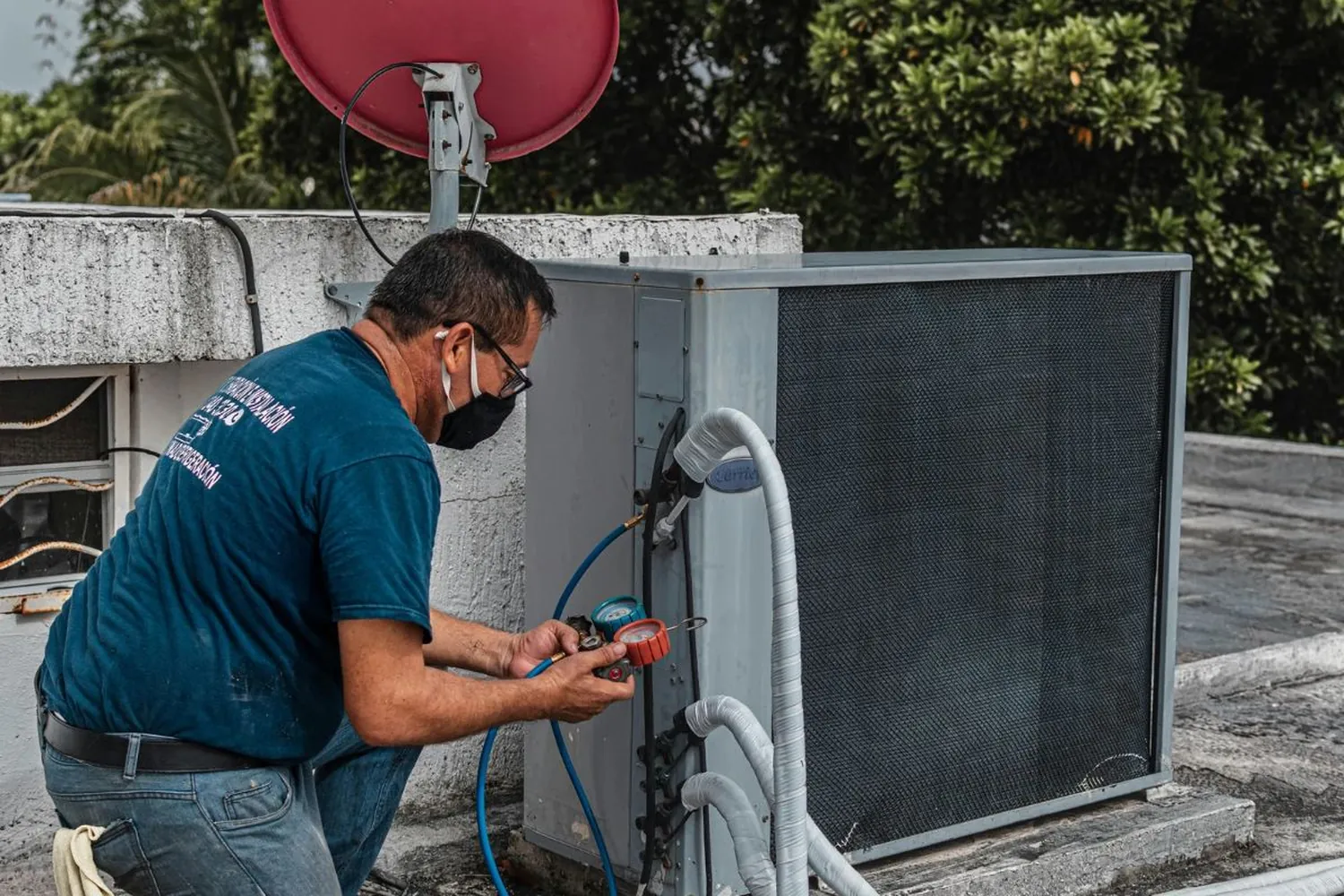
For residential ac repair, the technician can test electrical connections, the circuit breaker, thermostat controls, and outdoor components. A frozen evaporator coil can occur when airflow is restricted or when the refrigerant system has a fault. They may also inspect for a dirty condenser coil, which can make it harder for the outdoor unit to release heat.
To fix air conditioner issues safely, the provider diagnoses the system before proposing work. Home air conditioner repair may involve restoring airflow, correcting an electrical fault, clearing a drainage concern, or addressing a specific component problem. An air conditioning technician can explain the findings and give the homeowner a quote for the recommended work.
AC repair work in Rescue
| Part | What it does | Signs it is failing |
|---|---|---|
| Air filter | Captures airborne particles before air moves through the system. | Reduced airflow, dust buildup, or a visibly dirty filter. |
| Thermostat | Sends cooling instructions based on the selected temperature. | Incorrect readings, no display, or cooling that does not match the setting. |
| Condensate drain | Carries moisture collected during cooling away from the indoor unit. | Water near the unit, a full drain pan, or a shutoff switch stopping operation. |
| Blower assembly | Moves conditioned air through ducts and into rooms. | Weak airflow, unusual noise, or air that stops moving while the system runs. |
| Outdoor condenser | Releases heat from the home to the outdoor air. | Warm indoor air, unusual outdoor-unit noise, or a unit that does not run. |
Foothill weather and cooling equipment
Rescue’s warm, dry summer conditions can create sustained cooling demand, especially on sun-exposed properties. Trees and dry-season dust may affect filters and outdoor coils. Cooler wet-season weather shifts attention to runoff, vegetation, and safe access around equipment. An ac tune-up or other seasonal maintenance can help identify accessible cleanliness, drainage, and operating concerns before hot weather returns.
Where we work in Rescue
Also nearby: El Dorado Hills, Shingle Springs, Cameron Park, Placerville, Folsom.
Rescue
The central Rescue area includes rural-residential parcels where equipment may be set back from the road.
Green Valley
Nearby Green Valley has foothill terrain and wooded properties that can affect access and debris around equipment.
El Dorado Hills
El Dorado Hills includes newer and established homes with varied system sizes and exterior-unit locations.
Shingle Springs
Shingle Springs properties often have larger lots and foothill exposure relevant to outdoor equipment placement.
Rescue air conditioner questions
How can winter rain and drainage on a sloped Rescue lot affect an outdoor cooling unit?
Water flowing toward the equipment pad can contribute to erosion, standing water, or difficult access after storms. A provider can inspect the visible pad, nearby drainage, and electrical area as part of a diagnosis. Keep the area clear and avoid working on electrical equipment when it is wet.
What should landlords or tenants in a Rescue rental home do when the central air conditioner has a problem?
The tenant should report the symptom to the person responsible for maintenance and note when it started, whether the system runs, and whether any breaker has tripped. The owner or manager can arrange access and authorize a provider’s quote according to the property’s process.
Can Rescue trees, pollen, and foothill dust contribute to cooling trouble?
Yes. Leaves, pollen, and dust can collect around the outdoor cabinet and contribute to a dirty condenser coil, while indoor dust can load the filter and reduce airflow. The provider can determine whether cleaning, maintenance, or another repair is needed.
Which warning signs at a Rescue home mean the cooling system should be shut off?
Shut the system off if there is smoke, a burning smell, sparking, repeated breaker trips, damaged wiring, or unusual loud mechanical noise. Do not open electrical panels or attempt a repair. Contact a qualified provider for inspection.
How can a Rescue homeowner describe a cooling problem clearly when calling?
Share whether the system is not starting, blowing warm air, running continuously, leaking water, making noise, or cooling some rooms but not others. Mention the thermostat setting, any error display, breaker activity, and where the indoor and outdoor equipment are located. This information helps connect you with an appropriate local provider.
Need air conditioner repair in Rescue?
Tell us your town and what is happening.