
AC repair in San Diego, CA
Connect with an independent provider for San Diego cooling issues.
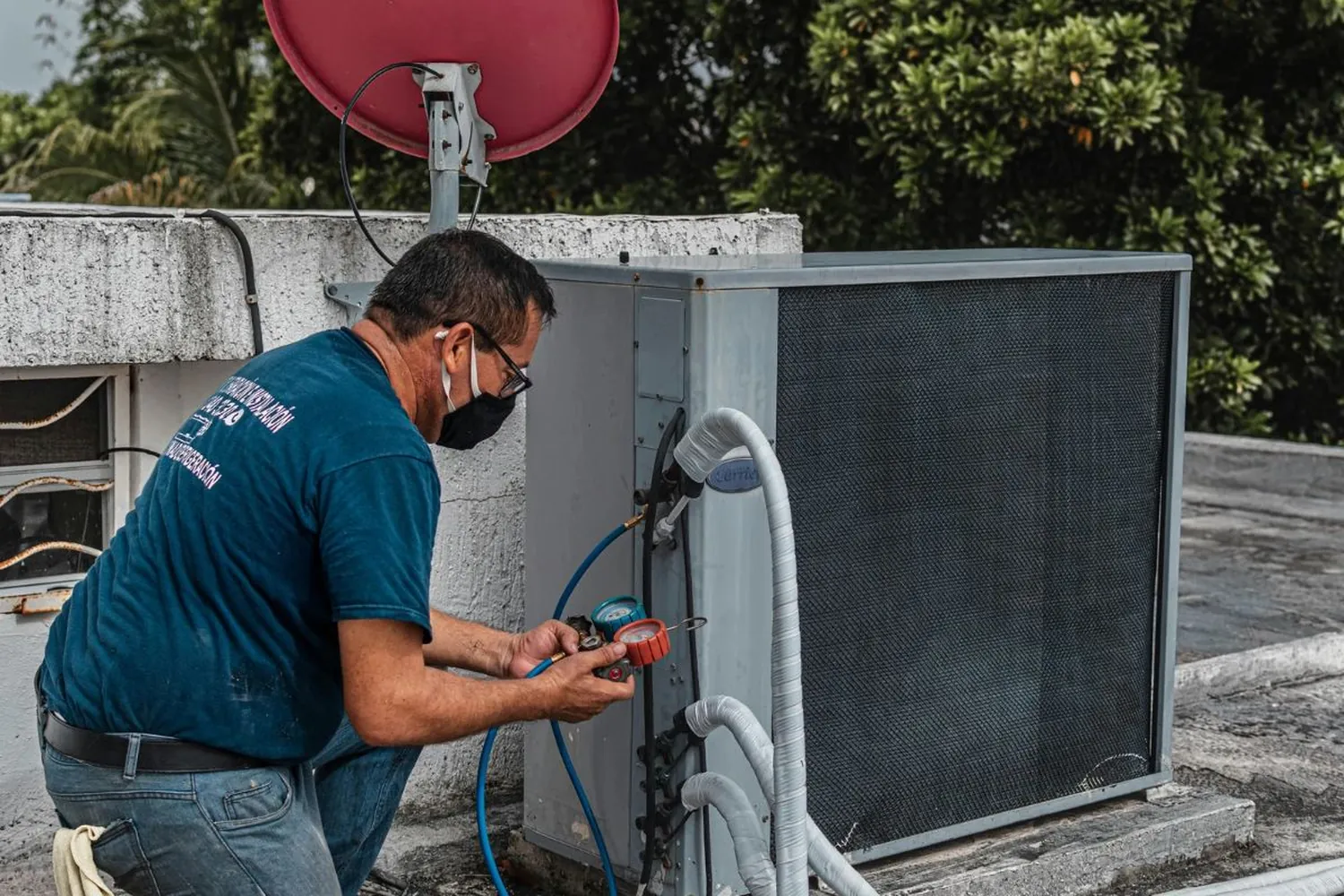
AC Repair
TownSan Diego, CA
CountySan Diego
ZIP92101, 92102, 92103, 92104, 92105, 92106, 92107, 92108, 92109, 92110, 92111, 92113, 92114, 92115, 92116, 92117, 92119, 92120, 92121, 92122, 92123, 92124, 92126, 92127, 92128, 92129, 92130, 92131, 92139, 92154, 92173
- 5years of experience
- 2,500customers served
- 14team members
- Since 2021serving homeowners
Air conditioner repair across San Diego
San Diego sits on the Southern California coast, linked by Interstate 5, Interstate 8, Interstate 15, State Route 163, and State Route 94, and air conditioner repair in San Diego varies with each neighborhood’s housing and terrain. The city includes older urban neighborhoods, coastal homes, canyons, hillside communities, and newer inland developments. Equipment may be located beside a house, on a roof, in a garage closet, or in an attic. A cooling issue in a compact North Park bungalow can present differently from one in a larger Mira Mesa home.
Housing age and building styles
San Diego has Craftsman-era homes, mid-century houses, apartments, townhomes, and recent construction. Older buildings may have later HVAC alterations, while newer homes may use zoning, heat pumps, or tightly designed equipment closets.
Lots, slopes, and outdoor unit placement
Canyon lots and hillsides can place a condenser on a slope, roof, deck, or narrow side yard. Safe access and clearance around the unit matter when a technician needs to inspect the fan, coil, wiring, and refrigerant lines.
Trees, leaves, and pollen
Leaves, pollen, and airborne debris can gather at outdoor units and indoor filters. Restricted airflow can contribute to reduced cooling, so accessible coils and return air vent openings should be kept clear.
Winter storms and snow
Winter rain can reveal drainage and weather-exposure issues around equipment. Snow is not typical in the City of San Diego, but inland elevation areas within the wider county can have different conditions. After wind or heavy rain, visible damage and standing water should be reported to the provider.
Diagnosing an air conditioner not working in San Diego
San Diego residences commonly use split cooling systems with an indoor coil and an outdoor condensing unit. When an air conditioner not working produces no cool air, the technician may start with the thermostat, air filter, return air vent, electrical supply, and outdoor controls. They then evaluate the system’s operating condition rather than replacing a part based only on one symptom.
An ac not cooling call can involve a failed capacitor or contactor, a dirty filter, a blocked drain line, a condensate pump issue, or a refrigerant leak. If testing shows a refrigerant problem, the provider can explain the repair and whether a refrigerant recharge is appropriate. Existing systems may use r-410a refrigerant, while some newer equipment uses r-32 refrigerant; the correct approach depends on the specific unit.
If the air conditioner is blowing warm air, the visit generally includes visual checks, electrical testing, airflow review, and temperature measurements. The provider may inspect condensate drainage and accessible coil areas, then explain their findings and proposed ac repair service. Ask which parts are being tested and what result supports the recommendation.
AC repair work in San Diego
| Part | What it does | Signs it is failing |
|---|---|---|
| Air filter | Captures airborne particles before air moves through the system. | Reduced airflow, dust buildup, or a visibly dirty filter. |
| Thermostat | Sends cooling instructions based on the selected temperature. | Incorrect readings, no display, or cooling that does not match the setting. |
| Condensate drain | Carries moisture collected during cooling away from the indoor unit. | Water near the unit, a full drain pan, or a shutoff switch stopping operation. |
| Blower assembly | Moves conditioned air through ducts and into rooms. | Weak airflow, unusual noise, or air that stops moving while the system runs. |
| Outdoor condenser | Releases heat from the home to the outdoor air. | Warm indoor air, unusual outdoor-unit noise, or a unit that does not run. |
Coastal and inland cooling conditions
San Diego’s climate changes across short distances, from coastal marine influence to warmer inland valleys. Cooling demand may be lower near the coast on some days but rise sharply inland and in sun-exposed neighborhoods. Seasonal maintenance can address filters, drainage, controls, and debris before warm weather places more demand on the system. Rainy periods also make it useful to watch for drain backups or water near equipment.
Where we work in San Diego
Also nearby: Chula Vista, La Mesa, National City, Coronado, Poway, Santee.
North Park
Older detached homes and multifamily buildings can have a range of retrofitted cooling layouts.
Mira Mesa
Inland warmth and planned residential streets make steady summer cooling performance important.
La Jolla
Coastal homes can have equipment in tight side yards, rooftops, or visually screened locations.
Clairemont
Mid-century houses often have varied duct and equipment updates from one property to another.
City Heights
Apartments and closely spaced homes can require coordination for exterior-unit access.
Rancho Bernardo
Inland residential communities include homes with central systems and heat pumps.
San Diego air conditioner questions
After a San Diego Gas & Electric outage or winter storm, what should I do if the cooling system will not restart?
Check whether the home has power and whether the circuit breaker has tripped once, but do not repeatedly reset it. Confirm the thermostat settings and look for obvious standing water near equipment without opening panels. If the system still does not run, a provider can inspect the electrical and control components.
Why might a Mira Mesa homeowner see a higher electric bill even when the AC still cools?
Longer run time, a clogged air filter, duct leakage, thermostat settings, coil condition, or reduced equipment efficiency can increase energy use. A provider can evaluate the system operation and discuss observed issues. Utility bills alone do not identify one specific failed part.
When is routine cooling maintenance useful in San Diego’s coastal-to-inland climate?
A check before the warmer season can identify dirty filters, drainage issues, weak electrical components, and outdoor debris. Inland homes may place more demand on cooling during heat events, while all areas can benefit from clear airflow. The provider can recommend service based on the equipment’s condition and use.
What happens step by step during an air conditioning repair service visit to a North Park home?
The technician begins by discussing the symptoms and locating the indoor and outdoor components. They inspect accessible equipment, verify power and controls, assess airflow and temperatures, and test relevant parts. They should explain the diagnosis and proposed work before proceeding.
How long can a San Diego repair take when a capacitor, drain line, or refrigerant issue is found?
The time depends on access, the diagnosis, equipment design, whether parts are available, and the scope of the work. A blocked drain and a component replacement do not necessarily require the same steps. The provider who inspects the system can give the most accurate estimate for that job.
Need air conditioner repair in San Diego?
Tell us your town and what is happening.