
AC repair in Valley Village, CA
Get connected with a local provider for Valley Village AC concerns.
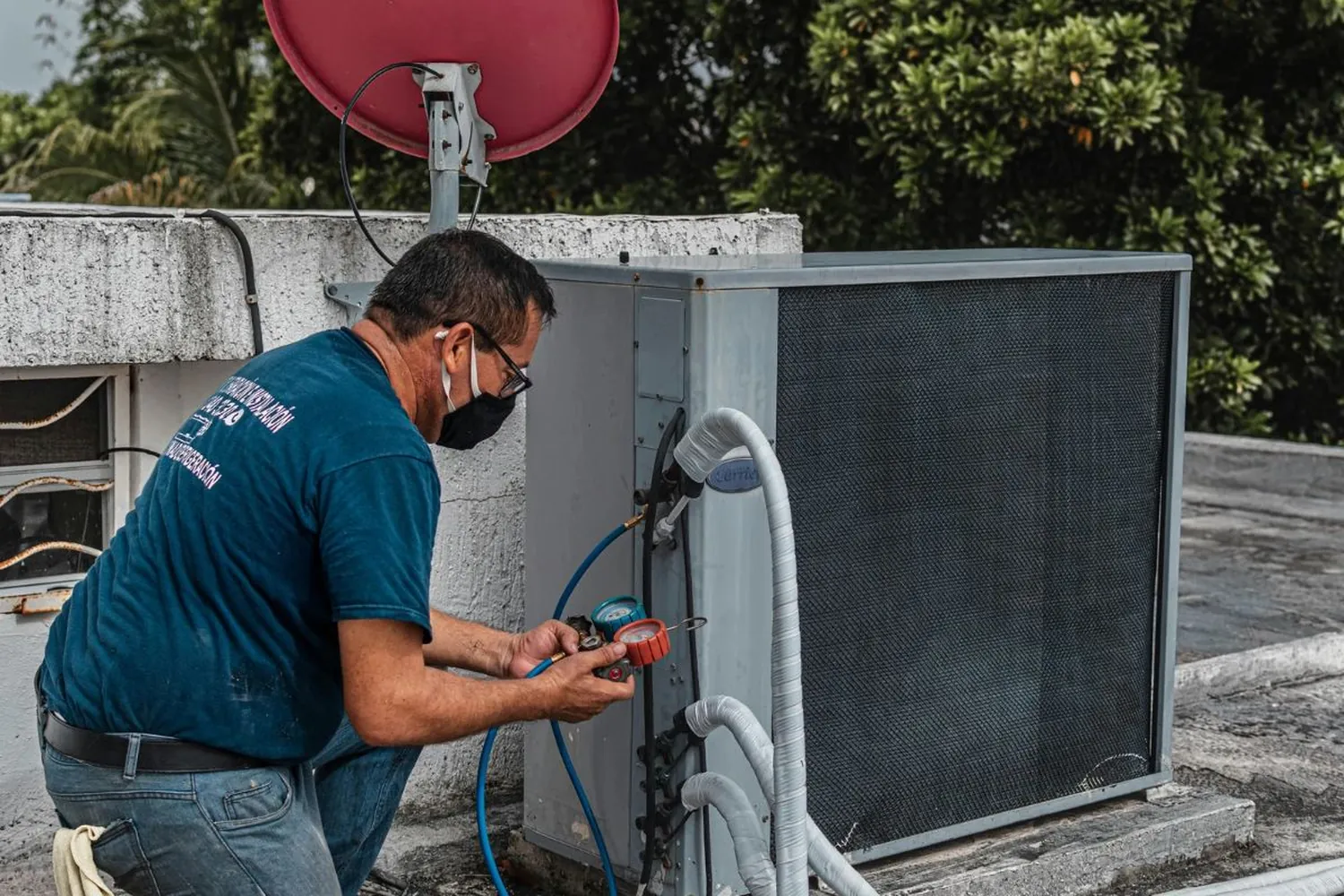
AC Repair
TownValley Village, CA
CountyLos Angeles
ZIP91607
- 5years of experience
- 2,500customers served
- 14team members
- Since 2021serving homeowners
Air conditioner repair for Valley Village homes
Valley Village is known for tree-lined residential streets with many mid-century single-family homes, apartment buildings, and carefully remodeled properties. For air conditioner repair in Valley Village, we connect homeowners and property managers with independent local providers. The community lies in the southeastern San Fernando Valley between North Hollywood, Studio City, and Sherman Oaks. Houses with attic ducts sit alongside condos, duplexes, and multifamily buildings near major routes such as Laurel Canyon Boulevard and Riverside Drive.
Summer heat and indoor moisture
Valley heat can make a system run for extended periods, especially in sun-exposed rooms and upper stories. Cooling equipment also removes indoor moisture, so drainage and proper cycling affect comfort as well as temperature.
Attics, crawl spaces, and equipment access
Attics are common locations for central components and duct runs in local houses. Basements are uncommon, while crawl spaces, closets, and tight attic openings can affect access for inspection or repair.
Water, drainage, and winter rain
Winter rain can expose exterior drainage problems around an outdoor unit. Indoors, a blocked condensate line can cause water near the air handler or ceiling damage if it is not addressed.
Power supply and storms
Wind, fallen debris, and outages can affect outdoor equipment and electrical controls. A provider can inspect the disconnect, wiring, and system controls after a storm-related interruption.
Central and room-by-room cooling in Valley Village
Valley Village properties may use a central air conditioner, a split system air conditioner, a heat pump, ductless mini split equipment, or a window air conditioner. The provider identifies the system type, its location, and the reported symptom before recommending work. A central air repair diagnosis may include the thermostat, indoor blower, ducts, outdoor unit, and condensate drainage. For residential ac repair, building access and any property-management rules can matter in addition to the equipment itself.
If a unit is not cooling, the cause may involve low airflow, a clogged filter, a dirty condenser coil, thermostat controls, or a refrigeration problem. A frozen evaporator coil is a sign to turn the system off and arrange an evaluation rather than continuing to run it. A provider can determine whether restricted airflow, coil condition, refrigerant operation, or another issue led to the ice. When an air conditioner is blowing warm air, the outdoor section and indoor section both need to be considered.
A seasonal maintenance visit can include checking accessible filters, coils, drains, electrical components, and system operation. An ac tune-up is not a substitute for repairing a diagnosed failure, but routine checks can identify dirt buildup or drainage concerns before heavy summer use. The technician who comes out can explain whether the equipment needs adjustment, cleaning, a part, or further testing. To fix air conditioner problems, confirm the scope, price, and any terms directly with the independent provider.
AC repair work in Valley Village
| Part | What it does | Signs it is failing |
|---|---|---|
| Air filter | Captures airborne particles before air moves through the system. | Reduced airflow, dust buildup, or a visibly dirty filter. |
| Thermostat | Sends cooling instructions based on the selected temperature. | Incorrect readings, no display, or cooling that does not match the setting. |
| Condensate drain | Carries moisture collected during cooling away from the indoor unit. | Water near the unit, a full drain pan, or a shutoff switch stopping operation. |
| Blower assembly | Moves conditioned air through ducts and into rooms. | Weak airflow, unusual noise, or air that stops moving while the system runs. |
| Outdoor condenser | Releases heat from the home to the outdoor air. | Warm indoor air, unusual outdoor-unit noise, or a unit that does not run. |
Heat, dust, and rain in Valley Village
Valley Village shares the San Fernando Valley’s hot, mostly dry summer pattern, which places a steady load on cooling systems. Dust and pollen can accumulate on filters and outdoor coils, particularly around landscaped yards and busy streets. Winter is milder but brings most of the yearly rain, making condensate and site drainage worth attention. The local climate does not normally bring snow, though wind and rain can move debris around exterior equipment.
Where we work in Valley Village
Also nearby: North Hollywood, Studio City, Sherman Oaks, Burbank, Toluca Lake, Van Nuys.
Valley Village
Mid-century homes often use attic ductwork and central systems updated during renovations.
Colfax Meadows
Residential blocks include houses and multifamily properties with varied equipment access.
Valley Glen
Nearby homes and apartments can have side-yard condensers, roof units, or closet air handlers.
Studio City
Adjacent residential areas include remodeled homes where additions can change cooling loads.
North Hollywood
Nearby apartment and mixed-use buildings may require manager approval for equipment access.
Valley Village air conditioner questions
Can winter rain near the Tujunga Wash affect Valley Village AC drainage or outdoor equipment?
Rain can reveal poor site drainage, debris around the outdoor unit, or a condensate drain issue that was not noticed during dry weather. Keep standing water and leaves away from accessible equipment areas when it is safe to do so. A provider can assess water-related concerns at the system itself.
How should a Valley Village landlord handle a cooling problem in a multifamily building near Laurel Canyon Boulevard?
The landlord or property manager should determine who is responsible for authorizing work and providing equipment access. Tell the provider whether the unit serves one residence or shared areas, and whether an attic, roof, or utility closet is involved. Tenants should report symptoms, water, odors, and breaker issues promptly to management.
Do mature trees and pollen on Valley Village streets affect a condenser or air filter?
Leaves, pollen, and dust can reduce airflow through an outdoor coil or load an indoor filter. Do not bend coil fins or use high-pressure water on the equipment. A provider can inspect coil condition and recommend the appropriate cleaning or maintenance step.
Which warning signs in a Valley Village home mean the AC should be shut off before a provider arrives?
Turn the system off for a burning odor, smoke, sparking, repeated breaker trips, substantial water leakage, or heavy ice on the equipment. Do not remove electrical panels or repeatedly reset the breaker. Tell the provider exactly what occurred and when it started.
What details should a Valley Village homeowner give on the phone when asking someone to fix an air conditioner?
State whether the system is a central unit, split system, ductless mini split, or window unit, and describe whether it will not start, blows warm air, leaks water, freezes, or makes noise. Include the thermostat setting, when the symptom began, and whether the breaker has tripped. Mention access limits such as gates, attic openings, pets, parking, or a condo management process.
Need air conditioner repair in Valley Village?
Tell us your town and what is happening.